

-
How Regression Testing Preserves Quality in Rapid Release Cycles?
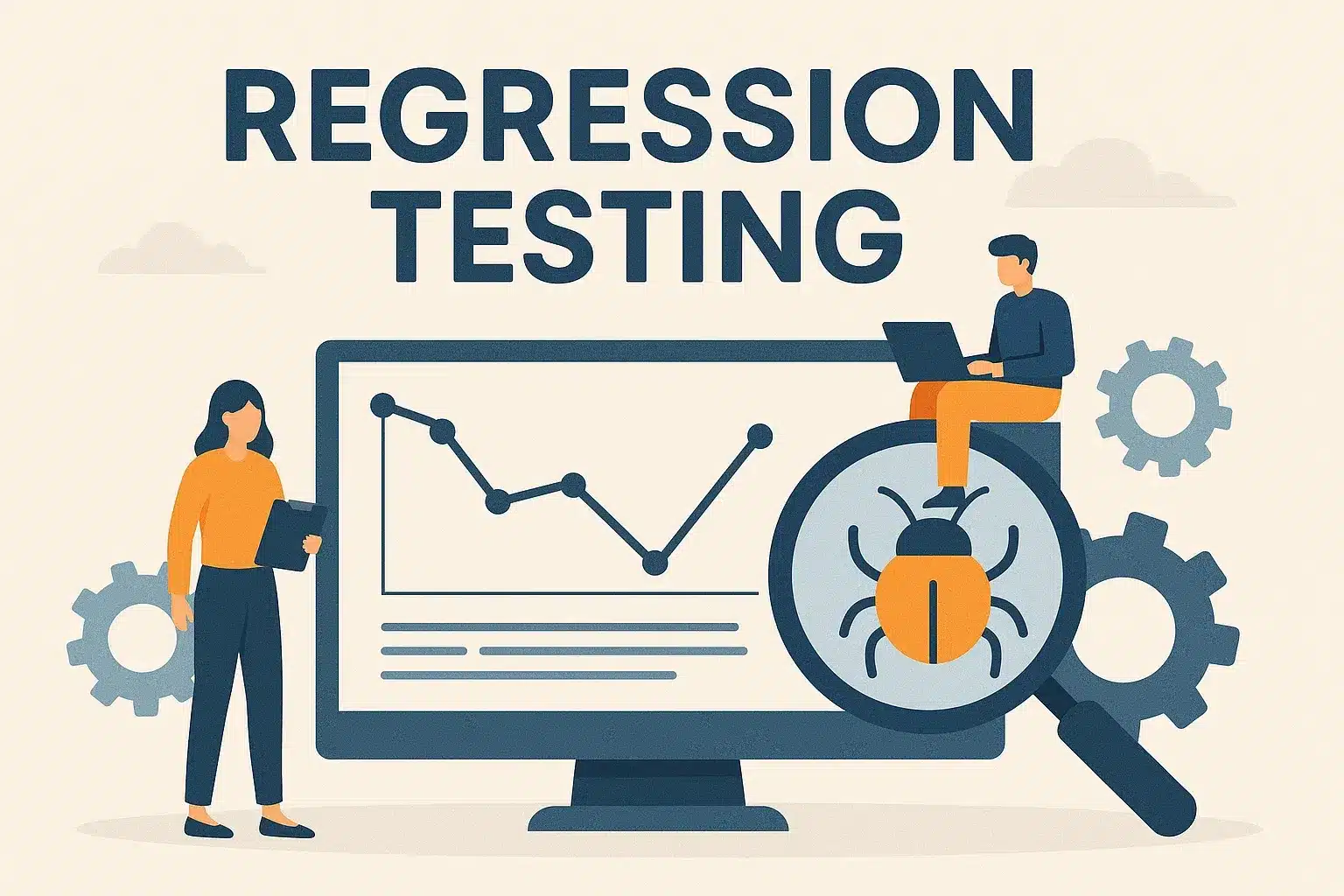
Modern development teams release faster than ever, and every new feature or patch introduces the possibility of unintended side effects. Regression testing acts as a safety net that ensures previously working functionality remains reliable, even as the product continues to evolve. With iterative delivery models like Agile and CI/CD, code changes flow constantly through the pipeline, including refactors, dependency updates, performance fixes, and UX improvements. Without structured regression testing, a minor update in one module could silently disrupt a critical workflow somewhere else. Today, many organizations rely on automation to run comprehensive regression suites at scale, enabling early detection of breakages before they hit users. Prioritization techniques, like risk-based regression, help teams focus on high-impact areas while keeping test execution efficient. Ultimately, regression testing maintains product stability amid continuous change. It reinforces trust, both for teams shipping updates confidently and for users who expect the product to behave the same reliable way tomorrow as it did yesterday.
-
This discussion was modified 2 meses, 1 semana atrás by
sophielane.
keploy.io
Regression Testing : Definition, Tools and Examples
Regression testing involves rerunning predefined test cases to ensure recent code changes haven’t broken or impacted existing application functionality.
-
This discussion was modified 2 meses, 1 semana atrás by
Desculpe, não há respostas até agora. :(
Log in to reply.