

-
How Does Regression Testing Protect Software from Breaking Change?
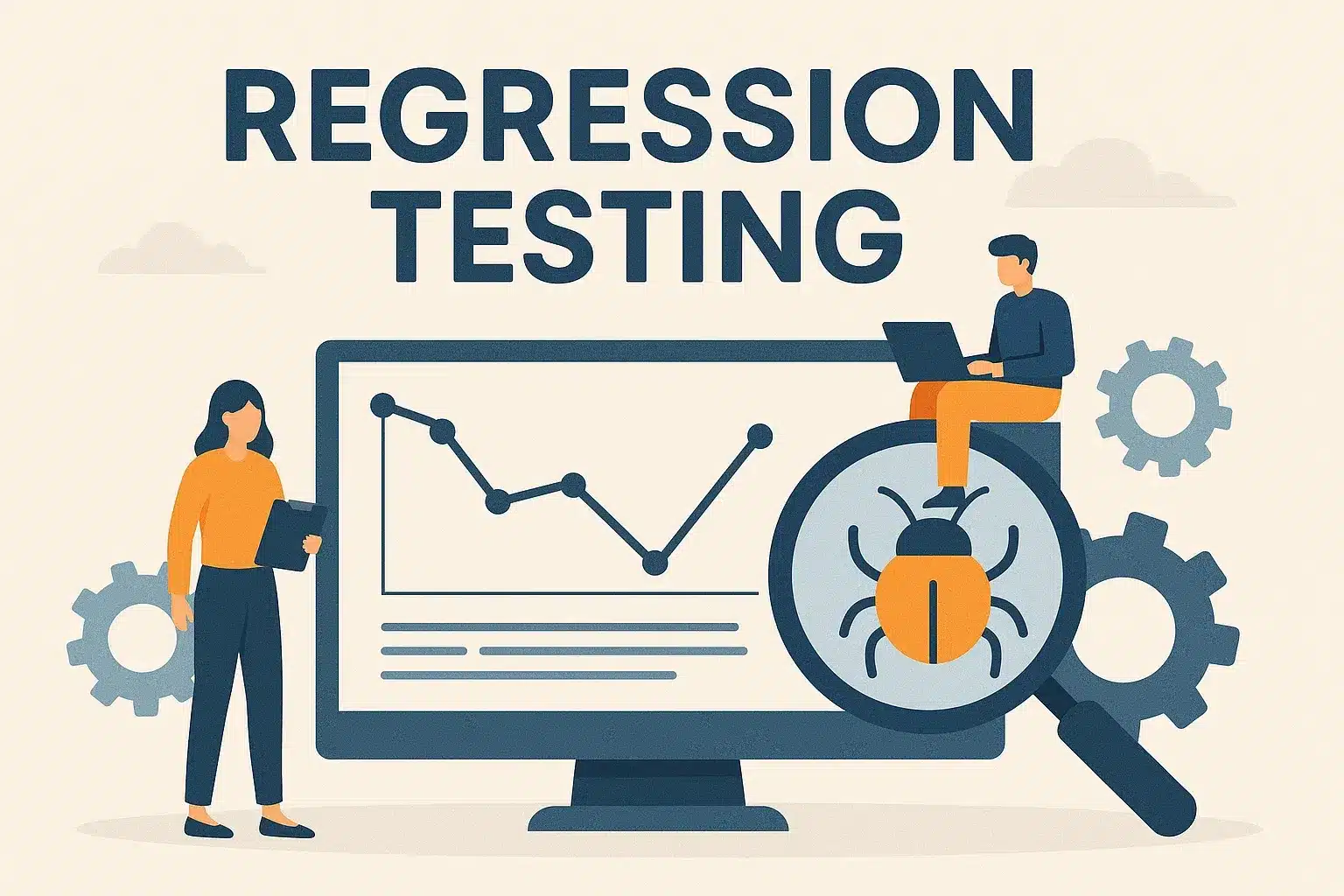
Regression testing is a quality assurance practice that ensures existing features continue to work correctly after code changes such as bug fixes, enhancements, refactoring, or configuration updates. Since modern applications evolve continuously, regression testing acts as a safeguard against unintended side effects introduced during development.
Every code change—no matter how small – can impact other parts of the system. Regression testing helps teams detect these issues early by re-validating previously tested functionality. Without it, stable features can silently break, leading to production defects and reduced user trust.
There are different levels of regression testing. Partial regression testing focuses on areas affected by recent changes, while full regression testing validates the entire application, often before major releases. As applications scale, manual regression testing becomes time-consuming, which is why teams rely heavily on automation to keep feedback fast and releases frequent.
Effective regression testing prioritizes critical user flows, high-risk components, and frequently used features. When integrated into CI/CD pipelines, it enables teams to ship updates confidently, knowing that progress doesn’t come at the cost of stability. In short, regression testing isn’t just about rechecking old features—it’s about protecting the reliability of the product as it grows.
keploy.io
Regression Testing : Definition, Tools and Examples
Regression testing involves rerunning predefined test cases to ensure recent code changes haven’t broken or impacted existing application functionality.
Desculpe, não há respostas até agora. :(
Log in to reply.